
Plant Nursery Jobs and What to Expect
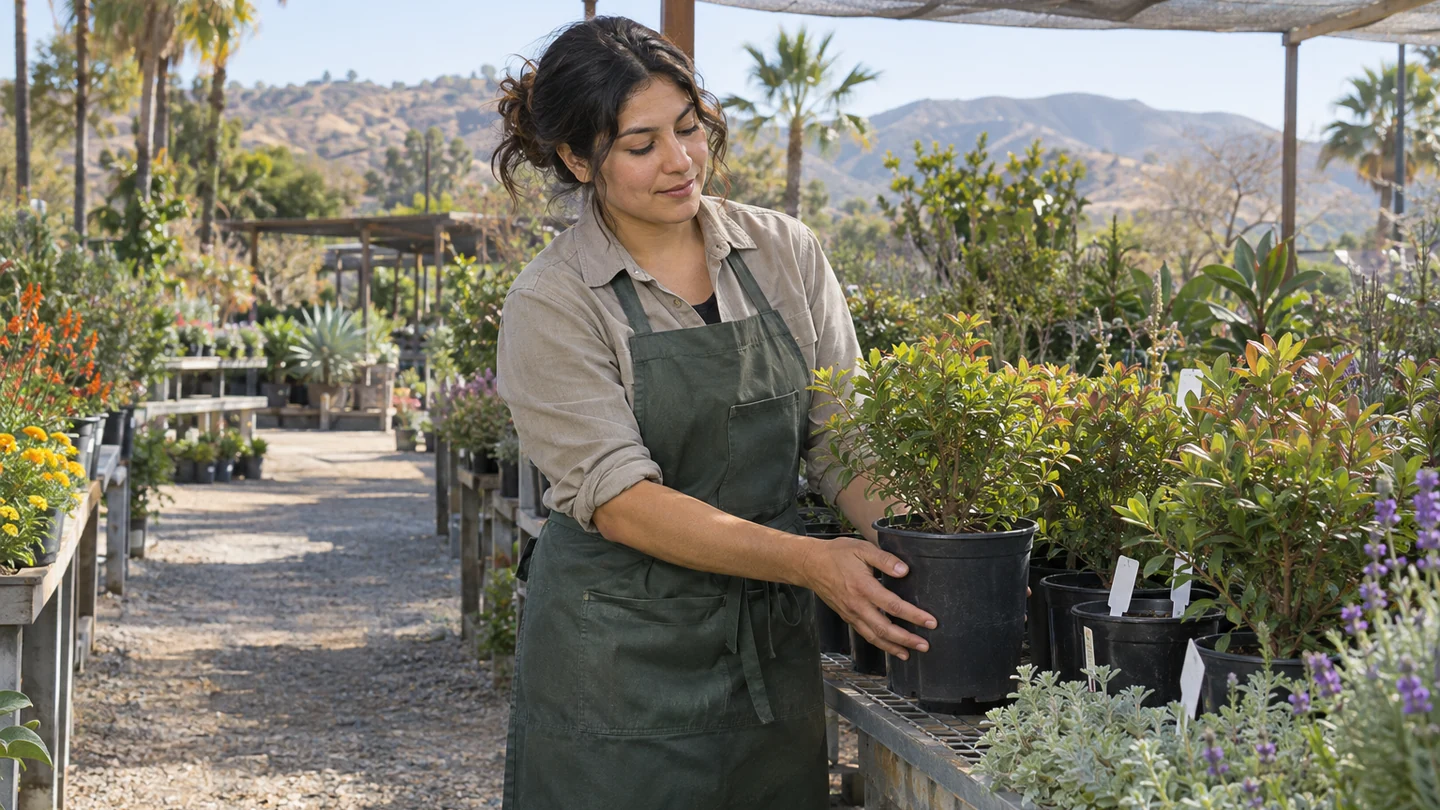
Plant nursery jobs range from watering and potting to receiving deliveries and helping customers choose plants. At a local plant nursery, one shift might start with checking the moisture in a row of pots and end with explaining how much sun a shrub needs. The mix of tasks depends on whether the nursery grows its own plants, sells them to gardeners, or does both. If you’re considering nursery work, start with the daily tasks. They’ll tell you more about the role than the job title alone.
Customers usually see the finished display, whether they’re browsing game listings at an online casino such as Goldspinia Casino or walking past a bench of flowering plants. If you’re considering nursery work, pay attention to what happens between customer visits. Someone checks the labels, keeps plants in the right light, and moves new stock onto the benches.
What is a plant nursery and how does it work?
A plant nursery grows or raises plants for sale or planting. Some start plants from seed or cuttings, then move them into roomier containers as they grow. Wholesale nurseries often supply garden centers and landscapers. A retail nursery may raise some plants on site, bring in stock from growers, or do both. It keeps those plants watered, tagged, and ready for customers to take home.
Parkview Nursery is a retail garden center in Riverside, California. A visit can start with something as simple as a photo of the space you want to plant. A photo taken in the afternoon can show where a fence casts shade or where heat reflects off a wall. The nursery team can use that information to suggest plants for the spot.
What plant nursery jobs look like day to day
Job titles vary across nurseries. A small retail team might share watering, stocking, and sales. A nursery that grows its own plants might have a crew dedicated to propagation and potting. When you read a listing, look at the daily tasks and the type of nursery before deciding which job suits you.
| Role | Typical tasks | Helpful skills |
|---|---|---|
| Nursery yard associate | Check moisture, water plants, and restock benches. | Attention to detail and comfort working outside. |
| Propagation assistant | Prepare trays, start seeds or cuttings, and label batches. | Steady hands and accurate recordkeeping. |
| Potting crew member | Fill containers and move rooted plants into new pots. | Careful handling and comfort with repetitive tasks. |
| Garden center sales associate | Help customers read plant tags and find suitable plants and pots. | Listening and explaining care instructions clearly. |
| Receiving associate | Check deliveries, count stock, and flag damaged plants. | Organization and accurate counts. |
If you’re new to nursery work, use the interview to get a picture of a normal shift. Ask the hiring team these questions so you can compare opportunities based on what you would actually do.
- How much of a shift is spent outdoors?
- What does training cover, and who teaches it?
- How much time goes to helping customers?
- How does the team move heavy containers and bags?
- What does the schedule look like during the busiest season?
For your first nursery job, mention relevant work you can describe specifically. Growing seedlings can show that you know how to label trays and check watering needs. Retail or warehouse experience can show that you can answer questions, track inventory, or receive a delivery. Ask which tasks the employer teaches on the job.
How to choose nursery plant pots for the job
Nursery plant pots usually have holes that let excess water escape. The black plastic pot you bring home is a growing container. A decorative pot can serve as a container too if it has drainage and is sized for the plant. If it has a sealed base, you can use it as a cover. Lift the inner pot out to water it, let it drain, and empty any water that collects in the cover.
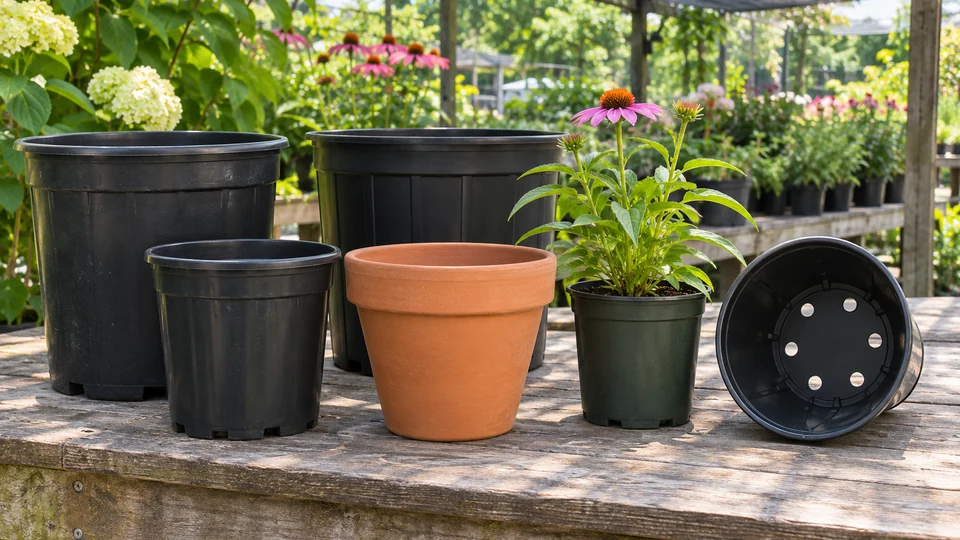
Check the tag and the size of the root ball before buying a new container. A plant that will go into a garden bed has different needs from one you expect to keep on the patio all year. The best container depends on what you’re using it for.
| Container | Good for | What to check |
|---|---|---|
| Seedling cell tray | Starting individual seedlings | Drainage in each cell and enough space for young roots. |
| Plastic nursery pot | Growing and moving young plants | Clear holes, a sound rim, and a size suited to the root ball. |
| Unglazed terracotta | A patio planter where the mix can dry more readily | How often it may need water in summer. |
| Glazed planter with drainage | A longer-term display container | Weight when full and room for roots to grow. |
| Decorative cover pot | Holding a separate growing pot | Enough clearance to lift the inner pot out. |
If a plant has outgrown its pot, ask how much room to give it next. An oversized container can hold more damp mix than the small root ball can use.
Choose a pot the roots can grow into and a container you can still move once it’s filled.
Make the most of a visit to a local plant nursery
Bring a few details about the spot before you fall for a plant on the display bench. Afternoon sun can be a deciding factor for a Riverside patio, particularly beside a wall or pavement that heats up. With those conditions in mind, a nursery worker can walk you through choices and help you plan the first few weeks of care.
- Bring a photo that shows the planting spot and its surroundings.
- Estimate how long it gets direct sun and when.
- Measure the space the mature plant can occupy.
- Share how you’ll water and how often you can check the soil or potting mix.
- Ask what to watch for during the first few weeks after planting.
Nursery staff can also help you decide how long a plant can stay in its growing pot. If you can’t plant it the day you bring it home, ask where to hold it and when to check the mix.
A good nursery question starts with the space you have. The plant and the pot follow from there.
Next time you visit, take a moment to look at the labels, the containers, and what the staff are doing between customers. You’ll see why plant care, sales, and the work of keeping benches stocked overlap so often. If you’re exploring nursery work, that’s a useful way to see which tasks appeal to you. If you’re buying a plant, you’ll leave better prepared to care for it.